Homo narrans
The term narrative inheritance is borrowed from the late American ethnographer, Bud Goodall. Put simply, ‘a narrative inheritance refers to stories given to children by and about family members.’ In my own research, I adopt a more expansive definition, using the term to describe any and all stories told by older people to those younger than them, usually (but not always) within the context of a family.
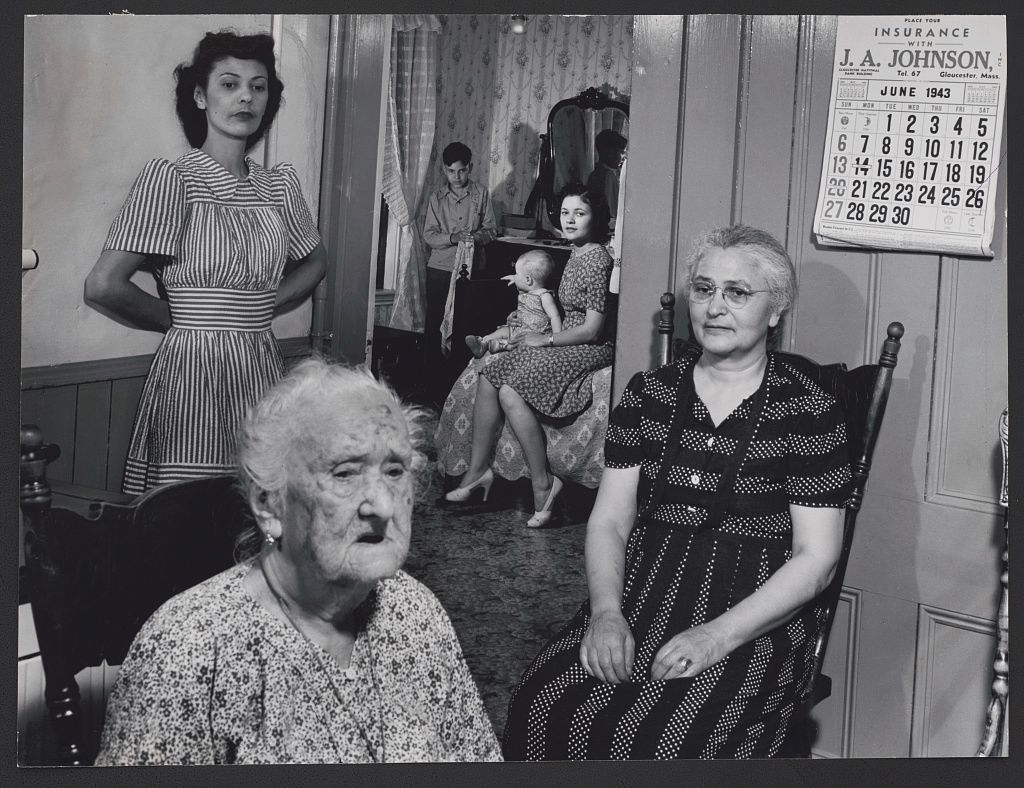
Expanding on his use of the phrase, Goodall wrote that he used it:
‘To describe the afterlives of the sentences used to spell out the life stories of those who came before us. What we inherit narratively from our forebears provides us with a framework for understanding our identity through theirs. It helps us see our life grammar and working logic as an extension of, or a rebellion against, the way we story how they lived and thought about things, and it allows us to explain to others where we come from and how we were raised in the continuing context of what it all means. We are fundamentally homo narrans—humans as storytellers—and a well-told story brings with it a sense of fulfillment and of completion. But we don’t always inherit that sense of completion. We too often inherit a family’s unfinished business, and when we do, those incomplete narratives are given to us to fulfill.’

 Narrative Inheritance